

Bridging healthcare gaps: My journey with the Kakamega Cambridge Health Partnership & Cambridge Global Health Partnerships
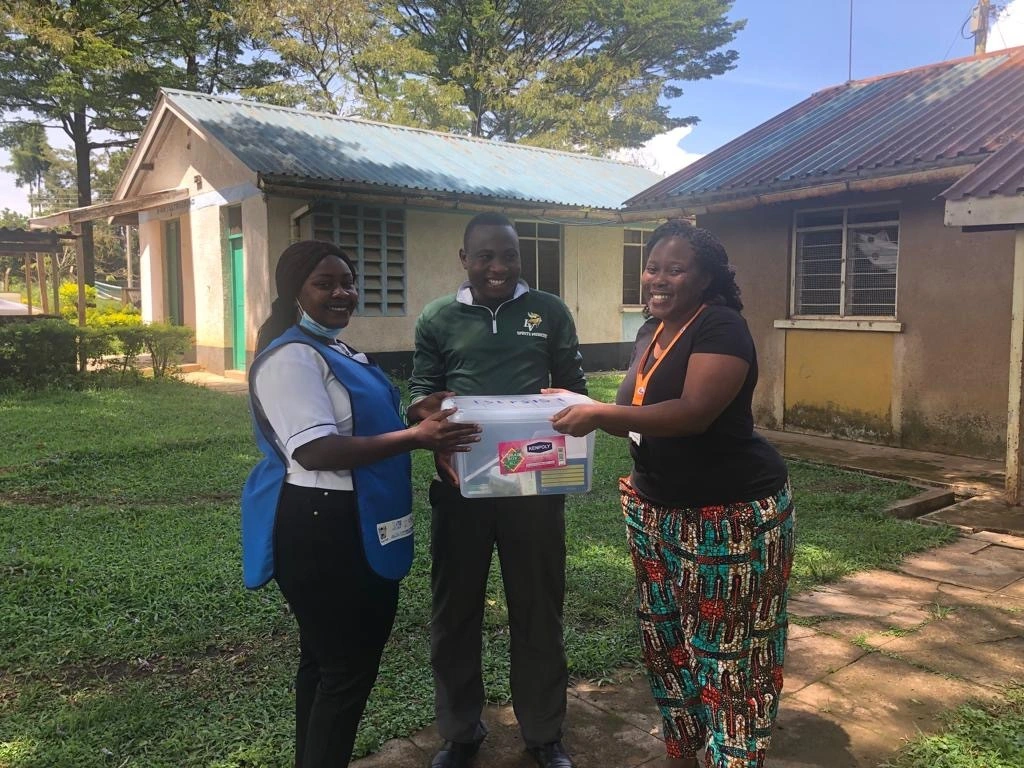
Mercy Rebecca Adera is a registered nurse at the Infectious Diseases Department of Cambridge University Hospitals (CUH). With prior experience at Vihiga County Referral Hospital in Kenya, Mercy brings a wealth of knowledge in healthcare delivery. Holding a Bachelor's Degree in nursing from the University of Eastern Africa, Baraton, Kenya, she is dedicated to making a positive impact in her community and beyond.
Joining the Kakamega Cambridge Health Partnership through Cambridge Global Health Partnerships (CGHP) gave Mercy a remarkable opportunity to give back to her Kenyan community by sharing knowledge and skills between Cambridge University Hospitals and Kakamega County Teaching and Referral Hospital. Transitioning from working in Kenya to England, Mercy was keenly aware of the challenges faced in delivering healthcare, such as limited resources, inadequate multidisciplinary teams, and insufficient guidelines.
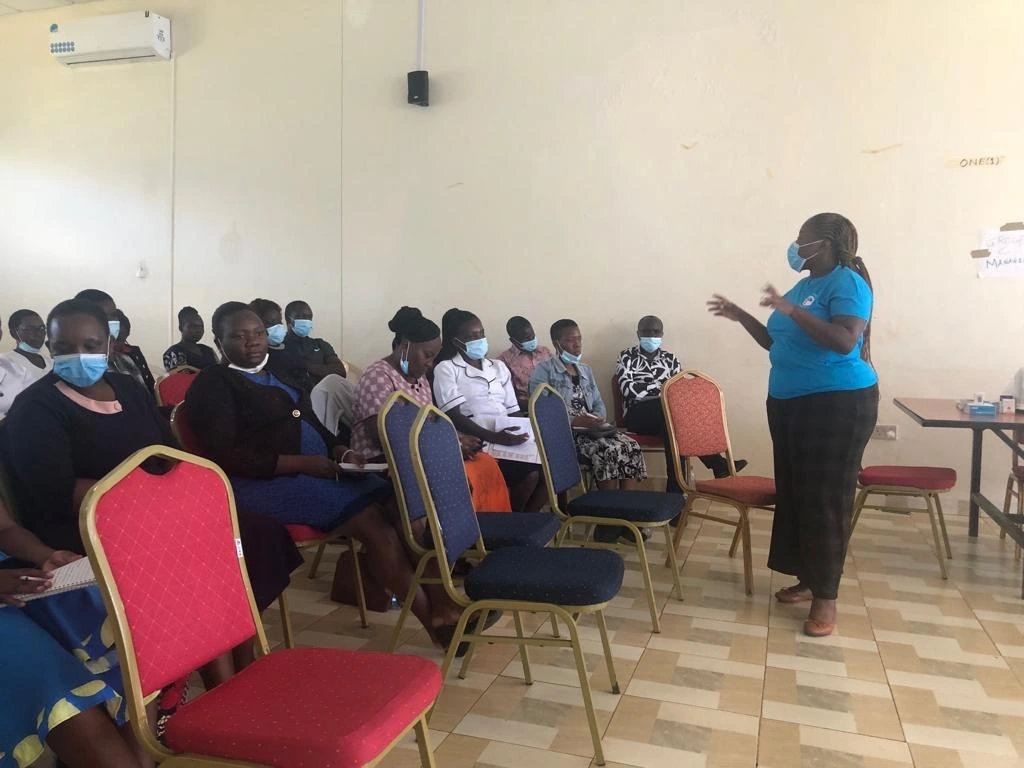
During Mercy's visit to Kakamega, the focus was on sepsis management and antimicrobial stewardship. This experience allowed her to refresh and reinforce her knowledge, enabling her to recognise and manage septic patients effectively and promptly. As an Antimicrobial Stewardship (AMS) champion, Mercy actively applies current guidelines for appropriate antibiotic use. CGHP provided a platform for her to enhance her confidence and leadership skills as a healthcare worker. She helped to co-deliver a three-day training programme for 77 healthcare workers, significantly improving her communication skills when interacting with colleagues and clients.
Mercy was genuinely inspired by the enthusiasm and resilience demonstrated by the nurses she met, particularly Sr. Catherine, matron and a champion for maternal health at her hospital. During their discussions, they compared the sepsis management guidelines at Kakamega with those at the Rosie Hospital (part of CUH). Sr. Catherine embraced new ideas wholeheartedly, and together, they developed a programme to implement the training process at her hospital. Mercy learned to leverage the many resources available via CUH, as Sr. Catherine and her team were eager to adopt guidelines and optimise their limited resources.
One of the notable challenges identified was the staffing ratio in the maternity unit. With a ratio of 1:15, one nurse was responsible for 15 patients in both the antenatal and postnatal wards and a ratio of 1:3 was observed in the delivery unit. Mercy discovered that both the NHS and the Kenyan Nurse Council faced similar challenges. However, the NHS has the advantage of a patient ratio of 1:6, with the presence of healthcare assistants. Furthermore, implementing EPIC, an electronic medical records system at CUH, facilitated effective communication within the multidisciplinary team, leading to early detection, diagnosis, and management of patients, ultimately resulting in better outcomes.
Mercy's involvement with the partnership and CGHP has been a transformative journey, allowing her to contribute to her community and improve healthcare delivery in Kenya. Significant improvements have been made in sepsis management and antimicrobial stewardship through collaboration, knowledge sharing, and embracing new ideas. The experience has not only bolstered Mercy's confidence and leadership skills but has also emphasised the importance of effective communication and resource optimisation. As she reflects on this fulfilling experience, Mercy looks forward to continuing her dedication to improving healthcare outcomes and forging lasting partnerships.